Protein for Women’s Health: Why Your Skin, Hair and Nails Depend on It
Protein supports far more than muscle growth. It provides essential building materials for healthy tissues, workout recovery, and the normal structure of your skin, hair and nails.

Key Takeaways
Protein Is Not Just for Bodybuilders
Protein is often associated with athletes and muscle gain, but its role in women’s health extends throughout the body. It supports the structure, repair and normal functioning of muscles, skin, hair and nails, while also contributing to enzymes, hormones and immune-system components.
Busy schedules, skipped meals, restrictive diets and low-protein snacks can make it easy to consume less protein than intended. A balanced approach starts by including a meaningful protein source in each main meal.
“Protein is not only a muscle-building nutrient. It is one of the body’s essential materials for maintenance and repair.”
Why Protein Matters for Skin, Hair and Nails
Hair
Keratin is the primary structural protein in hair and contributes to its strength.
Nails
Nails also contain keratin, making adequate overall nutrition important for normal maintenance.
Skin
Collagen and elastin contribute to the structure, firmness and flexibility of skin.
Eating more protein does not guarantee flawless skin or instant hair growth. However, consistently meeting nutritional needs gives the body essential resources for normal tissue maintenance and repair.
More Than a Muscle-Building Nutrient
Protein should complement carbohydrates, healthy fats, fibre and micronutrient-rich foods. It is an essential part of a balanced plate, not a replacement for every other food group.
Why Women May Eat Too Little Protein
Skipping breakfast or replacing meals with tea, coffee or packaged snacks.
Following aggressive low-calorie diets in pursuit of rapid weight loss.
Eating vegetarian meals without planning adequate pulses, dairy, soy, nuts or seeds.
Avoiding protein-rich foods because of the myth that protein automatically causes bulkiness.
Relying on one protein-heavy dinner instead of distributing protein across the day.
How Much Protein Do Women Need Daily?
Requirements vary according to body weight, age, activity level, training intensity, health status and life stage. These figures are general starting points, not personalised prescriptions.
| Condition | General Daily Protein Guidance |
|---|---|
| Healthy adult with low activity | About 0.8 g per kg of body weight |
| Regularly active or resistance training | Approximately 1.2–1.6 g per kg, depending on training and goals |
| Pregnancy, recovery or a medical condition | Needs should be personalised with a doctor or registered dietitian |
Best Protein Sources for Women
Dairy and Eggs
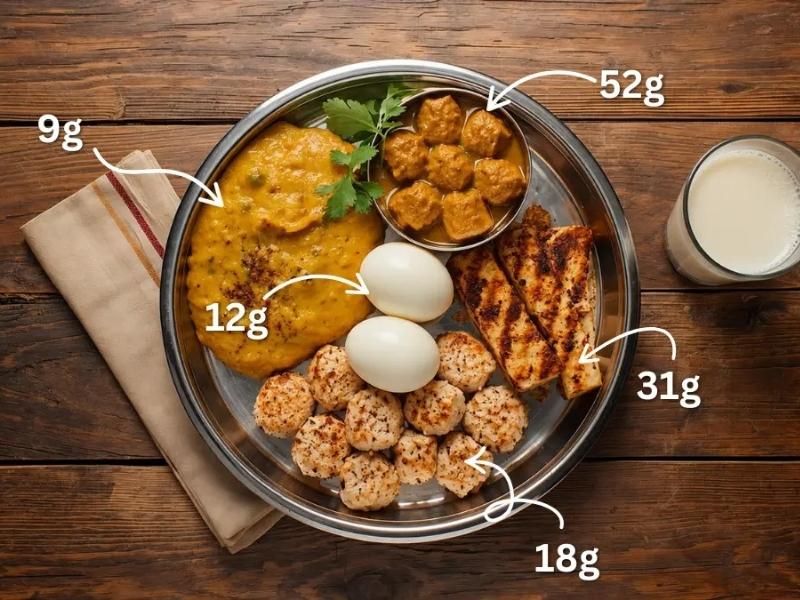
Milk, curd, Greek yogurt, paneer, cottage cheese and eggs.
Pulses and Legumes
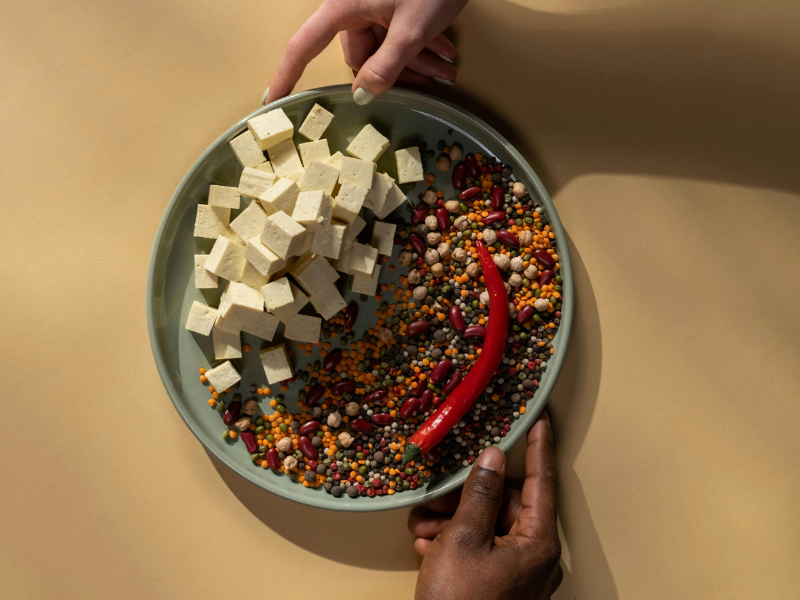
Dal, chickpeas, kidney beans and other pulses.
Soy Foods
Tofu, soy chunks, tempeh and edamame.
Meat and Fish
Chicken and fish can provide concentrated sources of protein.
Nuts and Seeds
Nuts, seeds and nut butters add protein alongside healthy fats.
Protein Supplements
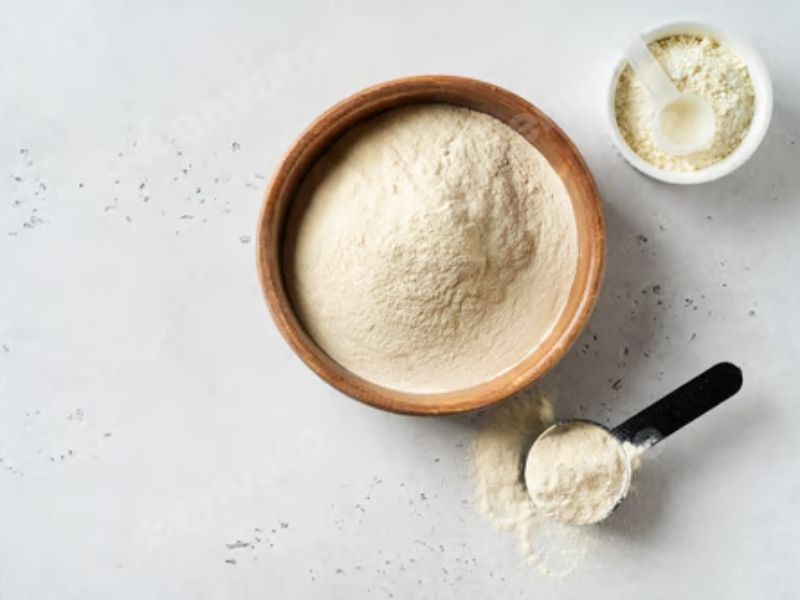
A convenient option when dietary gaps, appetite or schedules make whole-food intake difficult.
A Simple Daily Protein Routine
Start at Breakfast
Add Greek yogurt, paneer, tofu or eggs.
Build Main Meals
Include dal, beans, soy, fish, chicken or another quality source.
Upgrade Snacks
Choose roasted chana, yogurt or a protein shake.
Support the Routine
Combine protein with hydration, sleep and strength training.
Daily Protein Checklist
✓ Include protein in each main meal.
✓ Use varied plant or animal sources.
✓ Distribute intake across the day.
✓ Keep carbohydrates and healthy fats on the plate.
✓ Use supplements only when useful.
✓ Seek expert advice for specialised needs.
Frequently Asked Questions
Is protein only important for women who exercise?
No. Every woman needs protein for normal tissue maintenance and body functions. Physical activity may increase individual requirements.
Can protein improve hair, skin and nail health?
Protein provides amino acids used in structural proteins such as keratin, collagen and elastin. Results also depend on overall nutrition, health and lifestyle.
Can vegetarian women get enough protein?
Yes. Dairy, pulses, beans, soy foods, nuts and seeds can contribute to a balanced vegetarian protein intake.
Is protein powder necessary?
No. It is a convenient option when meeting needs through meals is difficult, but it should not replace a varied and nutritious diet.
Should pregnancy or recovery protein needs be calculated differently?
Yes. Requirements during pregnancy, medical recovery or illness should be personalised with a doctor or registered dietitian.
The Bottom Line
Protein is a fundamental nutrient for women’s health, tissue maintenance, workout recovery and the normal structure of skin, hair and nails.
Instead of focusing only on calories, build meals around protein, fibre, healthy fats and micronutrient-rich foods. Small, sustainable improvements can create a stronger and more balanced routine.
References and Further Guidance
- QNT video: Protein and women’s health
- The intake figures in this article are general starting points. Personal requirements should be reviewed with a doctor or registered dietitian when health conditions, pregnancy or recovery are involved.